Of those who suffered the most during the Civil War, the family is clearly at the top of the list. Not only were there sectional divides between North and South, but citizens of towns against each other, friendships lost over the divide, and families torn apart.
The Civil War has often been described as pitting brothers against brothers. In fact at the Battle of Wilson's Creek on August 10, 1861, both Joseph Shelby, member of the Missouri State Guard, and his stepbrother Cary Gratz, soldier in the 1st Missouri Infantry, U.S., fought on Bloody Hill.
The War, however, was not limited to the battlefield as political differences created painful divisions among family members. The State Historical Society of Missouri Research Center-Rolla, contains a valuable anthology entitled, The Hunter-Hagler collection, which reveals how women endured through the Civil War and the struggles one matriarch, Elizabeth Hunter, faced in trying to keep her family together through the perils of wartime. The Hunter family lived in Jasper County, Missouri. The collection provides letters written by Elizabeth Hunter and her daughters, Priscilla A. Hunter and Charlotte Elizabeth (Hunter) Hagler. The correspondents contained in this collection are to Elizabeth's daughter Margaret Hunter-Newberry, who married and left the family farm. The letters are very candid and expose graphic details about daily life in Southwest Missouri.
We hear of horse steeling every week or too Motly's horses was stoled a few nights ago all they had at home they went to the Sarcoxie mill last week and told the miller if the ground another grain he would kill him so the mill is standing the water is so low wee can hardly git grinding done atal we hear the drouth is awful in the north part of the state and the rebbels killing burning and destroying worse than they are here Jenison [Charles Jennison] is let loose among them I hope he will give them justice the rebels are under no law and the malitia is bound down not to pester anything that belongs to a sworn secish they can ride fine horses but if we go we have to walk we can't keep a horse here the union party is on the decline we cant keep nothing for the bushwhacks but the secish is let alone Mag I cant be a secesh there is no use trying I am furder from it all the time to see how they are killing our men distroying our cuntry who can claim themfor there party. They have killed Mr Clark Peter Baker Mr Seymore Brice Henry John Blake Pearson Lorence and Alfred Lawrence around here this summer.
- Elizabeth Hunter and to Margaret (Mag) Hunter Newberry-Aug. 11, 1864
Guerrilla warfare spread throughout the Midwest region like a brush fire, hitting hard especially the southwest corner of Missouri along the Kansas border. Marauding bands of men would terrorize civilians, ransacking their homes, pillaging whatever goods they had available, and then burning their homes so nothing remained. Those who were witness to these atrocities were women and children. With the landscape of southwest Missouri devoid of men, women were called upon to offer up their reproductive duties, i.e. their children and their domestic powers to support the men fighting.
The Civil War offered women a rare opportunity to step into traditionally masculine roles, without the fear of ridicule or of being ostracized. Many women arose to the challenge and adapted into the roles previously held by their husbands, fathers, and brothers. Women were now working as the head of all aspects of their household, business, or farm. Facing violence, managing a home without a secure network of support, raising a family in the midst of disease and deprivation, tending to crops with a diminished workforce...all combined though to make hardship an everyday reality for these intrepid women.
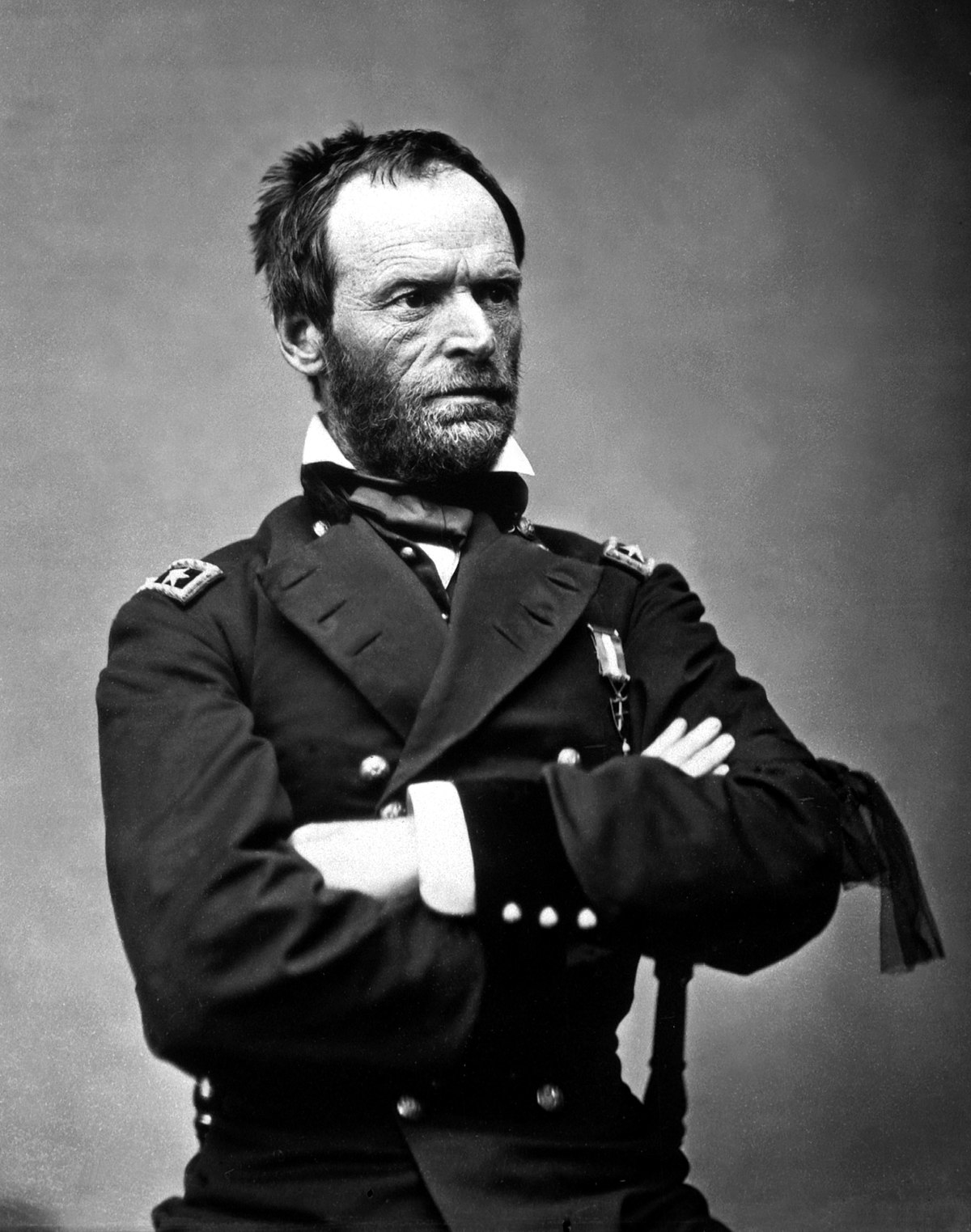
That reality though proved to be too much for Elizabeth Hunter and her family to handle so they relocated to Illinois in 1864 and remained there until the war was over. The Hunter family was just one of the hundreds of families that were forced to abandon their homes and move to a safer location due to the hostile environment created by the war. Increase in guerrilla warfare along the Missouri-Kansas border forced General Thomas Ewing to issued Order No. 11 on August 25, 1863, in an effort to depopulate the area of guerrilla supporters. The order mandated all citizens living in Bates, Cass, Jackson, and the northern half of Vernon County to evacuate their homes immediately and seek refuge in another area.
To make matters more complicated for Elizabeth, she also had to deal with an on-going conflict with her daughter Margaret. Margaret was allegedly a secessionist and through the context of the letters it is clear that Margaret felt very disconnected from her family because of their opposing beliefs. Elizabeth adamantly professed her love for her daughter and all her children, but she refused to change her stance on supporting the Union, and tried to persuade her daughter to reconsider her secessionist position.
I am always glad to hear from you, dont let such thauts enter your mind that I ever get tired of yet I would like to be with you all the time. I love you with that love that none but a mother knows it distresses me to think that my child has any fears that I have forsaken [MS torn]ntend long as I have a heart to love any thing I will love my children and be there true friend as I have always been, dont think because we differ in opinion in war matters that I aint your friend I can tell you that I think the rebbels and copperheads are all wrong they will see it when I fear it will be too late.
-Elizabeth Hunter letter Jan. 10, 1865
Whether Elizabeth and her daughter Margaret ever reconciled after the war ended is unknown. However, one may speculate that Margaret did find some peace with her mother, since she kept all the letters she wrote to her. The Hunter-Hagler letters are a powerful collection depicting the hardships many families faced in a politically torn region as neighbors and even families turned on one another. The Hunter-Hagler collection is housed at the State Historical Society of Missouri Research Center-Rolla. The collection was digitized for inclusion in the Community & Conflict project, which serves to explore the war's impact on the Ozarks.
Digital scans and transcripts of the Hunter-Flagler letters can be viewed at:
http://www.ozarkscivilwar.org/archives/1044.
Original article by Rachel Regan